Finding a Botanical Mineral Sunscreen for Comfort Throughout the Day
A sunscreen may look promising on the shelf but become awkward to wear as the morning progresses. It may feel unpleasant when layered over moisturiser, leaves a finish you dislike or becomes troublesome to apply again. Such practical considerations are important because maintaining sun protection involves applying the product consistently and in the amount directed.
Selecting a botanical mineral sunscreen SPF 50 therefore means considering more than the highest numbers displayed on the label. Texture, moisture, skin sensitivity and how well the formulation fits into your current skincare routine are all worth considering. One practical way to begin is by identifying why you sometimes hesitate to use sunscreen, then look for a formulation that responds to your main concern.
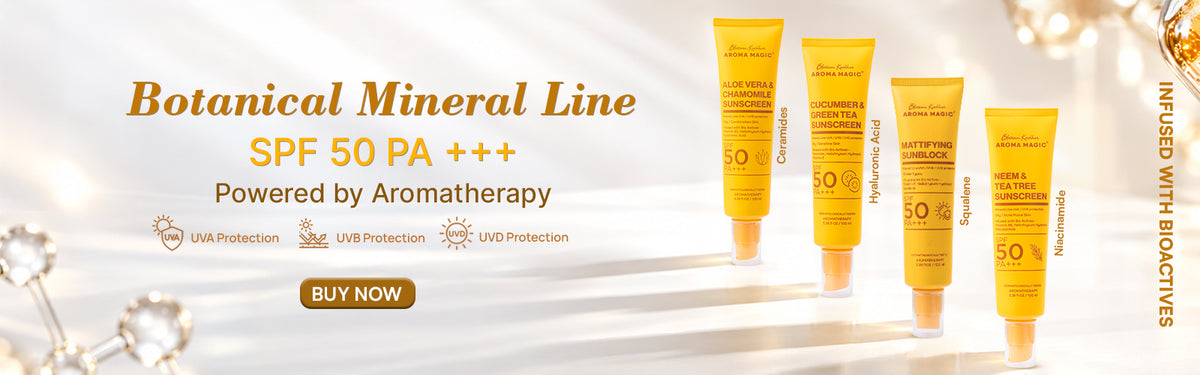
Aroma Magic sunscreen SPF 50 PA+++ formulations include a variety of formulations with distinct textures and supporting ingredients. Learning how the formulations differ may support a better-informed decision without assuming that a single formula will work for everyone in every setting.
Start With the Part of Your Routine That Feels Uncomfortable
When considering a different sunscreen, reflect on how earlier formulations felt on your skin. Did your face feel greasy immediately after application, or did your face become shiny as time passed? Did a cream feel comfortable on your cheeks but heavy across your forehead? Was the problem the sunscreen itself, or did the products applied before it contribute to the discomfort?
These distinctions help narrow the choice. Anyone whose skin feels dry and tight following cleansing may appreciate a moisturising cream. Someone who dislikes a noticeable layer might be more comfortable using a gel. Someone who wants to minimise visible shine may focus primarily on how the sunscreen looks after application.
Skin characteristics can vary from one part of the face to another. Having combination skin does not necessarily mean using separate sunscreens on different facial areas, but they may benefit from adjusting how much moisturiser they apply beneath it. Greater comfort frequently depends on how well the entire skincare routine works together rather than relying on sunscreen to resolve all skincare concerns.
Understand What the Protection Labels Actually Tell You
SPF refers to the level of UVB protection measured under established standard testing procedures. A PA rating indicates UVA protection. The two labels refer to different dimensions of sun protection, so considering both ratings is worthwhile rather than assuming one rating explains the sunscreen's entire protective performance.
An SPF 50 rating should not be interpreted as meaning that applying sunscreen once at the start of the day provides protection without limits. The amount applied, missed areas, rubbing and time spent outdoors can all influence protection in everyday situations. Similarly, a comfortable formulation does not make up for applying less than the directions recommend.
The available product description lists non-nano zinc oxide as the mineral filter across the four formulas. The formulations also contain botanical components in addition to the mineral filter, but they contribute to the formula in ways distinct from the mineral filter. Botanical extracts, moisturising components and an appealing skin finish should be evaluated in addition to the declared protection, rather than regarded as alternatives to the stated protective function.
Evaluate the Different Formulations in Daily Scenarios
Consider preparing for your journey to work on a warm morning. You normally apply a light moisturising product and find heavy products uncomfortable near your nose. For this particular routine, consistency may be the main consideration. Neem & Tea Tree Sunscreen SPF 50 PA+++ is identified as a lightweight gel option for people with oily or acne-prone skin, making it a relevant formula to assess.
Now consider a morning when your cheeks feel tight after washing. Cucumber & Green Tea Sunscreen SPF 50 PA+++ is presented as a cream intended for dry and sensitive skin. Its moisture-oriented formulation may be a better consideration than selecting a gel only because gel textures are generally perceived as lightweight.
Aloe Vera & Chamomile Sunscreen SPF 50 PA+++ is another available sunscreen with a gel texture, with the supplied description positioning it for oily and combination skin. Mattifying Sunblock SPF 50 PA+++ offers a different combination of characteristics, combining the consistency of a cream with a matte appearance.
These comparisons highlight why consistency and the final skin finish are separate considerations. Cream formulations can be created to provide a matte appearance, while gel-based products may also offer hydration. The product format alone cannot predict your individual skin response.
Why Oily Skin Also Benefits From Balanced Moisturisation
When selecting an SPF 50 mineral sunscreen for oily skin, it is easy to focus entirely on reducing shine. Nevertheless, a suitable finish needs to feel pleasant as well as look acceptable. A sunscreen that produces an uncomfortable tight sensation can still feel uncomfortable despite appearing matte at first.
The supplied description of the neem and tea tree formula lists niacinamide together with vitamin B5 together with the botanical ingredients. This ingredient information helps clarify how the product is positioned for skincare, but they do not establish that it will control every person's oiliness or stop blemishes from developing.
Consider how the formulation performs within your existing routine rather than adding several new products at once. If your moisturiser already feels rich, think about whether using a lighter moisturiser might improve the comfort of the complete routine.
Remember to recognise the difference between visible shine and an irritating reaction. A little visible sheen relates to the look you prefer; repeated stinging, skin itchiness or redness is a reason to reconsider the sunscreen or the products used together. You should not accept discomfort simply to maintain a matte appearance.
Choosing Sunscreen for Acne-Prone Skin With Care
Selecting SPF 50 sunscreen for acne-prone skin requires considering more than ingredients commonly linked with blemish-related skincare. The complete formula matters, together with your personal skin response. The name of a plant ingredient displayed on the packaging cannot predict whether the finished product will agree with your skin.
The sunscreen containing aloe vera and chamomile is described in the supplied material as non-comedogenic. This description refers to a product formulated with the intention of avoiding blocked pores; it cannot guarantee that every user will remain free from breakouts.
Begin using a new sunscreen without substantially altering your other regular skincare steps. If you change your cleanser, moisturiser and sunscreen together, it can be more difficult to determine which product caused a reaction.
Your expectations should reflect the actual purpose of sunscreen. Providing sun protection is its principal role. You should not depend on sunscreen to manage persistent acne simply because its name includes neem, tea tree or another botanical ingredient.
Why Skin Dryness and Sensitivity Need Separate Attention
Skincare descriptions commonly group dryness and sensitivity together, but they do not represent exactly the same concern. When your skin feels dry, you might look for a richer, more moisturising consistency. When sensitivity is a concern, reviewing all ingredients and considering past skin reactions becomes especially important.
The cucumber and green tea sunscreen formulation is described as containing ceramide and vitamin E. This cream-based texture could interest someone who wants a more cushioned feel, particularly where lighter skincare textures leave the skin feeling unpleasant.
However, a formula intended for sensitive skin will not necessarily suit every person with skin sensitivity. In the same way, botanical components are not automatically mild on every person's skin simply because they come from plants. When you are aware of ingredients that trigger reactions, examine the entire formulation before including it in your routine.
Trying a small area first can help reveal an obvious reaction, although it cannot guarantee future tolerance. Stop using a product that causes persistent irritation. Repeated discomfort deserves attention rather than continued experimentation with increasingly complicated layers.
Separate a Matte Finish From a White-Cast Claim
A matte finish describes how shiny the skin appears. The term white cast means a visible whitish film left on the skin. These are two distinct product qualities, and the same product may produce different results for these characteristics.
The supplied description positions Mattifying Sunblock SPF 50 PA+++ as a non-greasy cream formulation featuring squalane and vitamin F and designed to avoid visible white cast. Such information can help when comparing formulations, but the actual finish on your complexion is important to consider.
While selecting mineral sunscreen SPF 50 without white cast, test the finish using the amount specified for proper application. A minimal application can seem free from visible residue while a proper application looks different. Examine the areas near your eyebrows, along the hairline and beside your nose, where a pale film may become more apparent.
Allow the formulation to settle before checking its finish under daylight. Resist using a smaller quantity just to make the product look better. If you can achieve a pleasing appearance only by using too little sunscreen, considering an alternative formulation may be more appropriate.
Consider Aromatherapy Claims Alongside Sunscreen Protection
The description mineral sunscreen powered by aromatherapy communicates the collection's botanical character and approach to formulation. This description is not a substitute for the SPF, PA rating and directions for use.
According to the available description, Helichrysum Hydrosol is included across the formulations, alongside other ingredients that vary between individual products. This shared botanical component gives the collection a common theme, while each option is differentiated by its texture and additional ingredients.
For someone who enjoys botanical skincare, this formulation philosophy might make a product more attractive. Even so, individual preferences and reactions must still be considered. A formula can fit a botanical skincare philosophy while still not being appropriate for every individual's skin.
Focus on practical factors when making your selection: think about whether the formulation is comfortable to wear, can be used in the recommended amount and complements your everyday routine. These considerations provide a better basis for selection than expecting that a particular formulation philosophy guarantees superior protection or universal suitability.
Build a Routine That Leaves the Sunscreen Layer Intact
Even a suitable formulation can become unpleasant to wear when applied over several other products. Layering a concentrated serum, substantial moisturiser, sunscreen and several cosmetics can feel different from applying the sunscreen by itself.
Begin with the skincare your skin actually needs. Respect the application guidance provided with your sunscreen and give earlier skincare layers time to settle before sunscreen application. Avoid mixing sunscreen with moisturiser or foundation in your hand, because doing so alters the distribution of the sunscreen.
If your skincare layers start to gather into small rolled particles, simplify the routine and reassess the combination. Overworking the product through repeated rubbing might worsen the finish. Waiting for the products to settle can help separate a layering problem from a formula you simply dislike.
Try the complete skincare sequence during a normal morning before depending on it during an extended period outdoors. Pay attention to whether the recommended quantity feels comfortable and how convenient it feels to reapply the sunscreen afterwards.
Consider Sun Exposure Throughout the Entire Day
Even an easy morning skincare routine should consider later activities. A short commute, an outdoor lunch and an afternoon walk can create several periods of sun exposure within one day.
Put on sunscreen ahead of outdoor exposure, in accordance with the instructions provided. Cover exposed areas carefully, including frequently forgotten spots like the neck and ears. During outdoor activities, apply sunscreen again roughly every two hours and after swimming or sweating as directed.
An SPF 50 rating should not be taken as confirmation of water resistance. Read the information on the particular sunscreen when selecting sunscreen for workouts, swimming or situations involving considerable moisture.
Sunscreen also belongs Aroma Magic sunscreen SPF 50 PA+++ alongside shade and protective clothing. A hat and suitable clothing can reduce exposure while sunscreen provides protection for exposed skin. Using these protective measures together is more realistic than assuming a single cream or gel to handle all aspects of protection.
Conclusion
Making a considered sunscreen decision involves identifying what your everyday skincare habits and skin characteristics demand from a formulation. Consider how gel and cream consistencies compare, judge moisturising comfort and the final finish independently, and evaluate botanical components as elements of the overall formula. Among the Aroma Magic sunscreen SPF 50 PA+++ products, the different options provide several starting points for that comparison. Find a formulation you can use consistently and in the directed quantity, then support it with careful coverage, timely reapplication and sensible protection during outdoor activities.